
Why Is It a Dangerous Myth?
There is no scientifically established, safe permanent skin whitening cream in Pakistan that can permanently change a person’s natural skin colour. Products promising permanent or extremely fast whitening may contain hazardous substances such as mercury, corticosteroids, or improperly regulated depigmenting agents. Safer skincare focuses on gradually reducing uneven pigmentation and supporting a healthy skin barrier.
For people searching for a skin whitening cream in Pakistan, the safer goal is not to permanently remove melanin. It is to reduce the appearance of tanning, dark spots, post-inflammatory hyperpigmentation and uneven tone while protecting the skin from further pigmentation. Skinsciences takes this science-first approach to brightening rather than promising an unrealistic permanent change.
Important: “Whitening” is often used commercially to mean brighter, more even-looking skin. It should not be interpreted as permanently removing or eliminating natural melanin.
Key Takeaways
- There is no safe, evidence-based permanent whitening cream that permanently changes natural skin colour.
- Extremely fast whitening can be a warning sign, particularly when a product has undisclosed ingredients.
- Mercury-containing skin-lightening products can cause serious health problems, including kidney and nervous-system damage.
- Testing reported by the Zero Mercury Working Group found mercury in 35 of 37 tested Pakistani-made whitening creams, with one sample reaching 24,000 ppm.
- Safer brightening ingredients such as kojic acid, alpha arbutin and niacinamide have research supporting their use for hyperpigmentation, although results vary by person and condition.
- Consistent sunscreen use, appropriate skincare and patience are more realistic than chasing “7-day” or “permanent” whitening.
Is There a Permanent Skin Whitening Cream in Pakistan?
No. A genuinely safe permanent skin whitening cream in Pakistan does not exist.
Your natural skin colour is influenced by melanin production, genetics, hormones, ultraviolet exposure and inflammation. A topical cosmetic cannot safely and permanently switch off this biological system.
What a well-formulated brightening product can do is reduce excess or uneven pigmentation. With appropriate ingredients and consistent use, dark spots and uneven tone may become less noticeable over time.
This distinction matters because the promise of “permanent whitening” can encourage consumers to choose products that produce dramatic changes quickly. Some of these products may contain undeclared or unsafe ingredients.
The World Health Organization identifies mercury-containing skin-lightening products as hazardous and notes that mercury exposure can affect the skin, kidneys and nervous system.
Therefore, when comparing a permanent whitening cream Pakistan search result with a transparent brightening product, look beyond the speed of the claimed result.
Ask:
- Are the ingredients clearly disclosed?
- Is the manufacturer identifiable?
- Are claims realistic?
- Is there appropriate regulatory information?
- Does the product focus on pigmentation rather than promising to permanently change natural skin colour?
These questions can help separate responsible skincare from potentially dangerous marketing.
Why “Permanent Whitening” Is a Dangerous Marketing Myth
The word permanent is the biggest problem with this type of claim.
Healthy skin continually responds to sunlight, hormones, inflammation, acne, injury and environmental factors. Even after successful treatment of hyperpigmentation, new pigmentation can develop.
How Melanin Actually Works (You Can’t “Permanently” Remove It Safely)
Melanin is the pigment responsible for much of the colour of human skin, hair and eyes. It also provides biological protection against ultraviolet radiation.
When skin experiences UV exposure or inflammation, melanogenesis can increase. This may make the skin appear darker or cause existing pigmentation to become more visible.
Common examples include:
- Sun-induced tanning
- Acne-related dark marks
- Post-inflammatory hyperpigmentation
- Melasma
- Uneven facial pigmentation
- Dark spots associated with repeated irritation
The goal of responsible brightening is therefore not to eliminate normal melanin.
Instead, cosmetic and dermatological approaches may target excess pigment production, pigment transfer or visible pigmentation while preserving the normal functions of the skin.
Research reviews have evaluated ingredients including arbutin, kojic acid and niacinamide among topical approaches to hyperpigmentation.
What “Fast Results” Really Mean: Steroids, Mercury, Hydroquinone
When a cream appears to produce dramatic whitening within days, the result deserves scrutiny.
Some unsafe whitening products have historically relied on substances that can alter the appearance of skin quickly but create significant problems with continued use.
Mercury can interfere with melanin production, which may produce a lighter appearance. However, mercury is toxic and has no place in a safe cosmetic whitening routine. WHO links exposure to health risks including kidney and nervous-system damage.
Topical corticosteroids can temporarily reduce inflammation and cause visible changes in the skin. Continued inappropriate use can lead to problems such as thinning, visible blood vessels, acne-like eruptions and increased sensitivity.
Hydroquinone is a genuine dermatological depigmenting agent, but that does not make every hydroquinone-containing whitening cream safe. Its use should be appropriate to the indication, formulation and regulatory context, particularly because prolonged or inappropriate use has been associated with exogenous ochronosis.
The lesson is simple:
A faster cosmetic result is not automatically a safer or better result.
The Hidden Dangers in Pakistani Whitening Creams
Unsafe whitening products are not merely a theoretical concern. Testing and regulatory actions have highlighted the need for greater consumer awareness in Pakistan.
Mercury: The Toxic Metal in 35 of 37 Tested Creams
A Zero Mercury Working Group report published in 2026 described testing of 37 Pakistani-made whitening creams from six widely available brands.
According to the organization, 35 of the 37 samples contained mercury at levels up to thousands of times above the previous 1 ppm limit, and one product reached 24,000 ppm. The products were tested in accredited laboratories in the United States and Europe.
This does not mean every whitening cream sold in Pakistan contains mercury. It does mean consumers should take ingredient transparency and product provenance seriously.
Mercury exposure from skin-lightening products has been associated with:
- Skin irritation and discoloration
- Kidney damage
- Nervous-system effects
- Other systemic health effects following significant exposure
WHO specifically warns that mercury-containing skin-lightening products are hazardous.
The international regulatory context is also important. The Minamata Convention restricts mercury-added cosmetics, including skin-lightening products, and the Convention’s current materials describe mercury-containing cosmetics as prohibited under its framework.
Steroids: The Rebound Effect That Makes Skin Worse
Steroid-containing creams can be particularly deceptive because they may initially make inflamed skin appear calmer or smoother.
With inappropriate or prolonged facial use, however, topical corticosteroids can cause adverse effects such as:
- Skin thinning
- Increased fragility
- Visible small blood vessels
- Acneiform eruptions
- Perioral dermatitis
- Increased sensitivity
- Changes in pigmentation
Stopping a potent steroid after prolonged unsupervised use can also be followed by worsening redness, irritation or other rebound-type symptoms.
This is one reason consumers should not judge a safe whitening cream Pakistan option simply by how quickly it appears to work.
Unregulated Hydroquinone: The Risk of Ochronosis
Hydroquinone has a legitimate role in dermatological treatment of certain pigmentation disorders. It is not equivalent to mercury.
The problem arises when potent depigmenting agents are used without appropriate medical guidance, formulation control or duration limits.
One recognized complication of prolonged or inappropriate hydroquinone use is exogenous ochronosis, a condition in which the affected skin can develop persistent blue-black or gray-brown discoloration.
For that reason, a product should not be considered safe simply because its seller lists hydroquinone as an “active ingredient.”
A responsible approach considers the ingredient, concentration, indication, duration and regulatory status together.
Unsafe Ingredients vs Safe Brightening Alternatives
| Unsafe or high-risk approach | Why it is concerning | Safer direction |
| Mercury | Toxic exposure; associated with kidney and nervous-system damage | Mercury-free brightening formulations |
| Unsupervised potent steroids | Can cause skin thinning, acneiform eruptions and other adverse effects | Barrier-supportive skincare |
| Unregulated hydroquinone | Inappropriate prolonged use may cause irritation and ochronosis | Dermatologist-guided treatment where appropriate |
| “7-day whitening” mixtures | May hide undisclosed or inappropriate actives | Gradual, transparent brightening |
| Unknown homemade creams | Ingredient concentration and contamination risk may be unclear | Products with complete ingredient disclosure |
| Permanent-whitening claims | Unrealistic promise that ignores normal melanin biology | Even-tone and hyperpigmentation-focused care |
How Skinsciences Approaches Safe Brightening
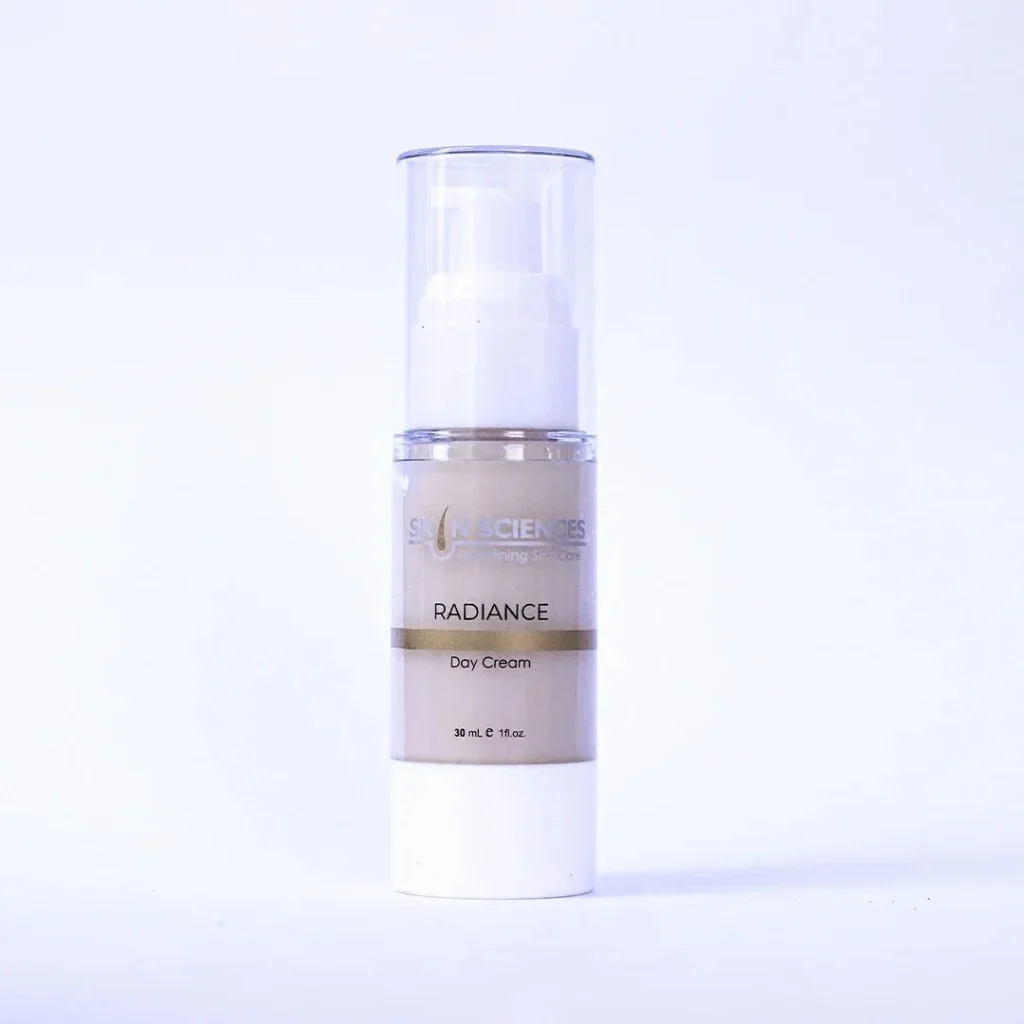
Skinsciences’ approach should be based on transparent formulation, realistic expectations and gradual improvement not permanent whitening promises.
For consumers who have previously experienced irritation, rebound pigmentation or disappointing results from aggressive products, transparency is especially important.
Our Ingredients: Kojic Acid, Alpha Arbutin, Niacinamide, Glutathione
Brightening skincare can use several different mechanisms to improve the appearance of uneven pigmentation.
Kojic acid is a well-established cosmetic depigmenting ingredient that has been studied for hyperpigmentation and melasma. Research describes its ability to interfere with tyrosinase activity, an enzyme involved in melanin production.
Alpha arbutin is another pigment-focused ingredient that has been investigated for dark spots and melasma. Clinical research continues to evaluate arbutin-containing formulations for pigmentation concerns.
Niacinamide works differently. Clinical research has found that topical niacinamide can reduce the transfer of melanosomes from melanocytes to keratinocytes, contributing to a reduction in the appearance of hyperpigmentation. One clinical study reported significant improvement after four weeks.
Glutathione is frequently discussed in the beauty market for its potential effects on pigmentation. However, consumers should be cautious about exaggerated claims, particularly when sellers promise permanent whitening. Evidence and delivery methods vary, so it should not be presented as a guaranteed permanent skin-lightening solution.
For the final published version, Skinsciences should list the verified concentration of every active ingredient on the relevant product page and packaging rather than making generalized claims.
What Safe Brightening Actually Looks Like: 6–12 Weeks
Safe brightening is usually a gradual process.
A realistic skincare timeline can look like this:
Weeks 1–2:
The main focus is tolerability, hydration and maintaining the skin barrier. Some users may notice improved softness or radiance before substantial pigment changes occur.
Weeks 3–6:
With consistent use, some people may begin noticing that mild uneven pigmentation looks less prominent.
Weeks 6–12:
More visible changes in the appearance of dark spots and overall tone may become possible, depending on the cause and severity of pigmentation.
Clinical research on pigmentation products commonly evaluates outcomes over several weeks rather than several days. For example, studies of niacinamide have reported pigment improvements at four to eight weeks, while a clinical study involving kojic acid and other pigment-targeting ingredients evaluated changes over 12 weeks.
That is why a responsible safe skin brightening cream Pakistan strategy should emphasize consistency rather than instant transformation.
Our Promise: No Mercury, No Steroids, No Unregulated Hydroquinone
Skinsciences should explicitly communicate that its brightening products are formulated without mercury, cosmetic-use steroids or unregulated hydroquinone.
This distinction matters.
Consumers should not have to guess whether a whitening cream contains a hidden bleaching agent.
The published product information should provide:
- Complete ingredient list
- Relevant ingredient concentrations
- Directions for use
- Recommended frequency
- Skin-type guidance
- Appropriate warnings
- Manufacturer information
- Applicable regulatory information
Skinsciences should also avoid phrases such as “permanent whitening,” “100% white skin,” “7-day whitening” or “guaranteed fair complexion.”
The objective is healthy-looking, more even skin not the permanent removal of natural melanin.
How Skinsciences Tests Its Brightening Products
Experience-based claims should be supported by documented testing rather than marketing language.
For a published Skinsciences E-E-A-T section, the brand should document its actual testing protocol. A suitable framework would evaluate a brightening product over approximately 8–12 weeks, depending on the specific formula and intended use.
Testing should consider participants representative of the Pakistani consumer population and include concerns such as:
- Uneven skin tone
- Post-acne marks
- Sun-induced pigmentation
- Dark spots
- Dull-looking skin
Observations may include:
- Changes in the appearance of uneven tone
- Visibility of dark spots
- Overall radiance
- Skin comfort and irritation
- Dryness or barrier-related symptoms
- Consumer satisfaction
- Tolerability across different skin types
However, only results actually generated by Skinsciences’ documented testing should be published as brand experience data.
Do not publish fabricated percentages, participant numbers, before-and-after claims or “clinically proven” language unless the corresponding study exists and can be substantiated.
This is especially important in skincare YMYL-adjacent content, where exaggerated claims can undermine consumer trust.
Real Results: What Skinsciences Users Experienced
Real customer experience can be valuable but it needs to remain honest.
Instead of saying that every user will achieve a particular shade of skin, Skinsciences should collect and present verified experiences around outcomes such as:
- More even-looking skin
- Reduced appearance of dark spots
- Improved radiance
- Better-looking skin texture
- Improved confidence in daily skincare
- Good product tolerability
Suggested editorial format:
“Results vary from person to person. Skinsciences customers have reported improvements in the appearance of uneven tone and pigmentation with consistent use, but individual results depend on the cause of pigmentation, skin type, sun exposure, routine and duration of use.”
If testimonials are published, they should be genuine, dated where appropriate, and presented without altering their meaning.
How to Identify a Safe Whitening Cream in Pakistan
Choosing the best whitening cream in Pakistan should begin with safety—not the promise of becoming dramatically lighter.
Check for DRAP Registration
Pakistan’s Drug Regulatory Authority of Pakistan (DRAP) regulates relevant therapeutic goods and provides regulatory information and reporting mechanisms.
Consumers should verify the regulatory status applicable to the particular product category rather than assuming that every cosmetic product is automatically “DRAP registered.”
A useful rule is:
Do not treat a seller’s screenshot, sticker or verbal claim as proof of regulatory approval.
Check the relevant official regulatory information where applicable.
Read the Ingredient List (Full Transparency)
A trustworthy product should make it possible to identify what you are putting on your skin.
Be cautious when:
- No complete ingredient list is provided
- Concentrations are deliberately hidden where disclosure is expected
- The manufacturer is unclear
- Packaging has no batch or traceability information
- Claims are dramatically stronger than the available evidence
- The seller says “secret formula”
A whitening cream without mercury should not merely say “mercury-free” in an advertisement. The brand should have appropriate quality-control processes supporting the claim.
Red Flags: “Permanent,” “7-Day Results,” “Miracle”
Be especially cautious when marketing repeatedly uses:
| Red Flag | Why to question it |
| “Permanent whitening” | Skin pigmentation is biologically dynamic |
| “Whiter in 3–7 days” | Extremely rapid changes may warrant ingredient scrutiny |
| “Miracle cream” | Vague promotional language is not scientific evidence |
| “Instant fairness” | Does not explain the mechanism or safety |
| “Secret formula” | Prevents informed ingredient decisions |
| “No side effects” | Absolute safety claims are rarely appropriate |
| “Works for everyone” | Skin type and pigmentation causes differ |
| No ingredient list | Consumers cannot assess the formulation |
What to Do If You’ve Used a Toxic Whitening Cream
If you have been using an unknown whitening product and develop unusual irritation, persistent redness, burning, severe dryness, acne-like eruptions, skin thinning or unusual discoloration, stop experimenting with additional whitening products and seek advice from a qualified dermatologist or healthcare professional.
Do not attempt to counteract one unknown cream by immediately applying another strong bleaching or steroid-containing product.
If mercury exposure is suspected, medical assessment may be particularly important because mercury exposure can have effects beyond the skin. WHO identifies kidney and nervous-system effects among the potential health concerns associated with mercury exposure.
Keep the original packaging if possible. The ingredient list, batch number and manufacturer information may help a healthcare professional assess what you have been using.
Frequently Asked Questions
Is permanent skin whitening cream in Pakistan safe?
No cosmetic cream can safely guarantee permanent whitening of a person’s natural skin colour. Products making extreme or permanent claims deserve particular scrutiny, especially if they do not provide transparent ingredient information.
What is the safest whitening cream in Pakistan?
There is no single product that is safest for every person. A safer choice is a transparent formulation that does not contain mercury or inappropriate corticosteroids, clearly identifies its ingredients and provides realistic expectations about gradual brightening.
Can a whitening cream permanently remove melanin?
No. Melanin is a normal biological pigment. Responsible pigmentation care aims to reduce excess or uneven pigmentation rather than permanently eliminate normal melanin production.
What are the side effects of whitening cream in Pakistan?
Side effects depend on the ingredients. Unsafe products may cause irritation, acneiform eruptions, skin thinning, abnormal pigmentation or systemic toxicity. Mercury exposure is particularly concerning because it can affect organs such as the kidneys and nervous system.
Is a whitening cream without mercury automatically safe?
No. Mercury-free is an important safety characteristic, but it is not the only consideration. A product can contain other irritating, inappropriate or undisclosed ingredients. Look for complete ingredient transparency and responsible claims.
How long does safe skin brightening take?
Visible improvement often takes several weeks rather than several days. Clinical studies of pigment-targeting ingredients have evaluated improvements over approximately four to twelve weeks. Individual results vary according to pigmentation type, skin condition, routine and sun exposure.
Is kojic acid whitening cream in Pakistan safe?
Kojic acid is a studied topical ingredient for hyperpigmentation and melasma, but its safety depends on the formulation, concentration, frequency of use and individual skin tolerance. Research supports kojic acid as one of several topical options for pigmentation concerns.
Final Verdict: Safe Brightening Is Possible Permanent Whitening Is Not
If you searched for a permanent skin whitening cream in Pakistan, the most important thing to know is that “permanent whitening” is not a realistic or responsible skincare promise.
Natural skin colour is determined by complex biological processes involving melanin, genetics, hormones and environmental exposure. No cosmetic cream should promise to permanently eliminate this pigmentation.
What is achievable is healthier-looking, more even skin.
Ingredients such as kojic acid, alpha arbutin and niacinamide have scientific literature supporting their use in managing the appearance of hyperpigmentation. Their results are gradual, and they should be combined with sensible skincare and sun protection rather than aggressive bleaching.
The Pakistani market also demonstrates why ingredient transparency matters. Testing reported by the Zero Mercury Working Group found mercury in 35 of 37 Pakistani-made whitening creams tested, including one sample with 24,000 ppm mercury. In 2026, Punjab authorities also recalled specific batches of Golden Pearl, Faiza and Jhalak creams after laboratory testing detected ammoniated mercury, according to reporting based on the regulator’s alerts.
The answer is therefore not to stop caring about pigmentation.
It is to care about it more intelligently.
Skinsciences’ role should be to offer transparent formulations, clearly disclosed ingredients, realistic timelines and a commitment to avoiding mercury, inappropriate steroids and unregulated hydroquinone—while helping consumers understand that brightening healthy skin is very different from permanently changing natural skin colour.
Your skin does not need a dangerous shortcut.
It needs evidence, consistency and care.