
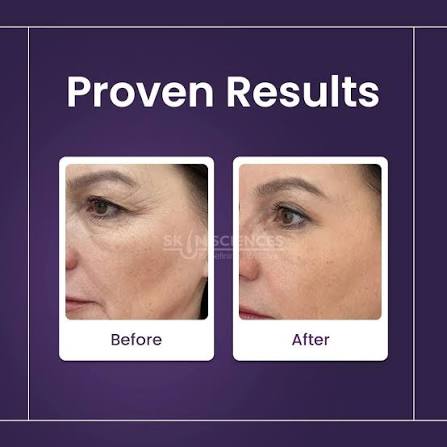
If you are thinking about starting a retinol serum, you probably have a few questions. What will my skin look like at the start? When will I see a difference? Will it get worse before it gets better?
This guide answers all of that in simple words, based on how retinol works and what skincare professionals commonly see in real routines.
What Is Retinol and What Does It Do?
Retinol is a form of vitamin A. Once it is applied, your skin converts it into retinoic acid, the active form that talks to your skin cells.
It helps your skin in three main ways:
- It speeds up cell turnover, so dull, dead cells shed faster.
- It supports collagen production, which keeps skin firm and smooth.
- It helps keep pores clearer, which can reduce breakouts.
Retinol is not a quick fix. It works slowly and steadily, which is why patience matters more than the product itself.
What Does Your Skin Look Like Before Retinol?
People usually start retinol because they notice one or more of these:
- Dull or uneven skin tone
- Fine lines around the eyes or forehead
- Rough texture or enlarged-looking pores
- Frequent breakouts or clogged pores
- Dark marks left behind after pimples
- Early signs of sagging or loss of bounce
Take a clear photo in natural light before your first night. It is the best way to see real progress, because skin changes are slow and easy to forget.
Retinol Serum Before and After: Week-by-Week Timeline
Every skin type reacts differently, but this is a realistic timeline for most people.
Weeks 1 to 4: The Adjustment Phase
This is the stage where many people get worried. Your skin is getting used to retinol, so you may notice:
- Mild dryness or flaking
- Slight redness or tightness
- A few new pimples (often called “retinol purging”)
Purging happens because retinol pushes clogged pores to the surface faster. It usually settles within 4 to 6 weeks. If your skin burns, swells, or feels very painful, that is not purging. Stop using it and rest your skin.
Weeks 4 to 8: Texture Starts to Improve
By now your skin has mostly adjusted. You may see:
- Smoother skin when you touch it
- Fewer new breakouts
- A little more glow, because dead cells are no longer sitting on the surface
Most people see their first real “before and after” difference here, especially in texture.
Weeks 8 to 12: Visible Results
Around the three-month mark, changes become easier to notice:
- Pores look cleaner and less blocked
- Pimple marks begin to fade
- Skin tone looks more even
- Fine lines appear softer
Month 6 and Beyond: Deeper Changes
Collagen-related changes take the longest. After six months of steady use, many people notice firmer-feeling skin and softer lines. Results continue to build as long as you keep using retinol and protect your skin from the sun.
Which Skin Concerns Improve the Most?
Acne and Clogged Pores
Retinol helps prevent pores from getting blocked, so breakouts often reduce after the first few weeks.
Dark Spots and Uneven Tone
Faster cell turnover helps pigmented cells fade gradually. Deep or old marks take longer, sometimes several months.
Fine Lines and Early Aging
Retinol is one of the most studied ingredients for fine lines. It will not erase deep wrinkles, but it can soften them over time.
Dull or Rough Skin
This is usually the first change people notice, as skin feels smoother within a couple of months.
How to Use Retinol Serum the Right Way
Good results depend on how you use it, not how much you use.
Start Slowly
Begin with two nights a week. After two to three weeks, move to every other night. Go to nightly use only if your skin is comfortable.
Use a Pea-Sized Amount
One small pea-sized drop is enough for the whole face. More product does not give faster results, only more irritation.
Apply on Dry Skin at Night
Cleanse, wait until your face is fully dry, then apply the serum. Damp skin absorbs more, which can increase irritation.
Follow With a Moisturizer
A simple, fragrance-free moisturizer helps reduce dryness. If you are new to retinol, you can apply moisturizer first, then the serum, then more moisturizer if needed.
Never Skip Sunscreen
Retinol makes skin more sensitive to sunlight. Use sunscreen every morning, even on cloudy days. Without it, you can undo your progress and risk new dark spots.
Common Mistakes That Ruin Retinol Results
- Using it every night from day one
- Mixing it with strong exfoliating acids on the same night
- Skipping sunscreen
- Quitting at week three because of dryness
- Expecting overnight results
At Skin Sciences, we often notice that most “retinol did not work” stories come from one of these mistakes, not from the ingredient itself.
Who Should Be Careful?
Retinol is not right for everyone. Please talk to a doctor or dermatologist first if you:
- Are pregnant or breastfeeding
- Have very sensitive skin, eczema, or rosacea
- Are using prescription acne medicines
Always do a patch test behind your ear or on your jawline for a few nights before applying it to your full face.
Frequently Asked Questions
How long does retinol take to show results?
Most people see smoother texture in 4 to 8 weeks. Clearer skin and faded marks usually take around 12 weeks. Fine lines need six months or more.
Why is my skin worse after starting retinol?
Dryness, peeling, and a few breakouts are common in the first month. Your skin is adjusting. Use it less often and moisturize well. If irritation continues, stop and consult a dermatologist.
Can I use retinol every night?
You can, but only after your skin has adapted. Most people do better building up slowly.
Can I use retinol in the morning?
It is better at night, because sunlight can reduce its effect and increase sensitivity.
Can retinol remove acne scars?
It can help fade red or brown marks. Deep, pitted scars usually need professional treatment.
Can I use vitamin C and retinol together?
Yes, but most people find it easier to use vitamin C in the morning and retinol at night.
Should I stop retinol if my skin peels?
Take a short break of a few days, moisturize, and restart with fewer nights per week.
Final Summary
A retinol serum can improve texture, breakouts, uneven tone, and fine lines, but the change happens slowly. The first month may feel rough, the second month brings smoother skin, and by the third month the difference becomes clear in photos. Start slowly, use a small amount, moisturize, and wear sunscreen every day. Consistency is what gives the best before-and-after results.