
Finding the Best Moisturizer in Pakistan for Glowing Skin is not about choosing the most expensive or most popular product. The right moisturizer depends on your skin type, hydration needs, climate, and the texture you prefer. A well-chosen formula can help your skin feel softer, smoother, and more comfortable while supporting a healthy-looking glow.
Why Is Moisturizer Important for Glowing Skin?
Moisturizing is one of the simplest steps in a skincare routine, but it plays an important role in maintaining the skin barrier. When your skin does not have enough moisture, it can look dull, rough, flaky, or tired.
A suitable moisturizer helps reduce moisture loss and keeps the skin feeling comfortable. With regular use, properly hydrated skin can appear smoother and more refreshed.
Glowing skin does not necessarily mean oily or shiny skin. A natural-looking glow often comes from well-hydrated skin with a healthy barrier.
What Should You Look for in a Moisturizer?
The best formula for you depends on what your skin actually needs. Instead of focusing only on product popularity, check the ingredients, texture, and suitability for your skin type.
Hyaluronic Acid
Hyaluronic acid is a popular humectant that helps attract water to the skin. It can be useful for skin that feels dehydrated, tight, or lacking in softness.
Glycerin
Glycerin helps maintain hydration and is commonly found in both lightweight and richer moisturizing formulas. It can work well for different skin types.
Ceramides
Ceramides are naturally found in the skin barrier. Moisturizers containing ceramides can help support the barrier and are particularly useful when the skin feels dry or compromised.
Niacinamide
Niacinamide is another commonly used skincare ingredient. It can support the skin barrier and help improve the overall appearance of dull or uneven-looking skin.
Choosing a Moisturizer Based on Skin Type
There is no universal formula that works the same way for everyone. Your skin type should be one of the first things you consider.
For Oily Skin
Oily skin can still become dehydrated. If your face becomes shiny during the day, a lightweight gel, lotion, or water-based formula may feel more comfortable.
Avoid choosing a moisturizer only because it feels rich. A lighter texture can provide hydration without making the skin feel unnecessarily greasy.
For Dry Skin
Dry skin generally benefits from a richer moisturizing formula. Creams containing ingredients such as ceramides, glycerin, and hyaluronic acid can help provide lasting comfort.
If your skin feels tight immediately after cleansing, apply moisturizer while the skin still has some moisture.
For Combination Skin
Combination skin often has an oily T-zone and drier cheeks. A lightweight moisturizer can be useful for maintaining balance.
You can also adjust the amount you apply. Use a slightly thicker layer on dry areas and a thinner layer around the forehead, nose, and chin.
For Sensitive Skin
Sensitive skin usually benefits from simple skincare routines. Look for gentle formulas and avoid introducing several new products at once.
If your skin reacts easily, patch testing a new moisturizer before applying it across your face can be helpful.
Can Moisturizer Make Your Skin Look Brighter?
Hydration can improve the way the skin reflects light, making the surface appear smoother and fresher. Dehydrated skin can look rough and dull, while properly moisturized skin may have a softer and healthier appearance.
However, moisturizer is not a replacement for other important skincare steps. Daily sun protection, gentle cleansing, adequate hydration, and a consistent routine also contribute to healthy-looking skin.
Lightweight Gel or Rich Cream?
The texture you choose should depend on your skin and personal preference.
A gel moisturizer may be more comfortable for oily skin or during hot weather. A lotion can provide moderate hydration without feeling too heavy. Creams are generally more suitable when the skin needs additional moisture and comfort.
There is no need to choose a very thick product simply because you want glowing skin. The best texture is one that keeps your skin hydrated without causing discomfort.
Daytime Moisturizer vs Nighttime Moisturizer
Your skin may have different needs during the day and at night.
During the morning, a lightweight moisturizer can work well underneath sunscreen. You want the layers to feel comfortable rather than heavy.
At night, you may prefer a richer cream, especially if your skin becomes dry while sleeping.
The most important factor is consistency. Using a suitable moisturizer regularly is generally more useful than frequently changing products.
How to Apply Moisturizer Correctly
Applying moisturizer is simple, but using the right amount matters.
- Cleanse your face with a gentle cleanser.
- Pat the skin dry without rubbing.
- Apply a suitable amount of moisturizer.
- Gently spread it across your face and neck.
- In the morning, follow with sunscreen.
You do not need a very thick layer. Apply enough to comfortably cover the skin without leaving an unnecessarily heavy finish.
Common Moisturizing Mistakes
Using Too Much Product
More moisturizer does not automatically mean more hydration. Excess product can make the skin feel greasy or uncomfortable.
Skipping Moisturizer Because of Oily Skin
Oily skin still needs moisture. Instead of skipping this step, choose a lightweight formula that suits your skin.
Choosing Products Only Because They Are Trending
A product can be popular and still not be suitable for your skin. Consider your own skin type and concerns before making a choice.
Changing Products Too Quickly
Give a new skincare product enough time before deciding whether it works for you. Constantly switching between formulas can make your routine difficult to evaluate.
Forgetting Sunscreen
Moisturizer and sunscreen serve different purposes. A good morning routine should include sun protection as the final skincare step.
How QHC Fits Into a Simple Moisturizing Routine
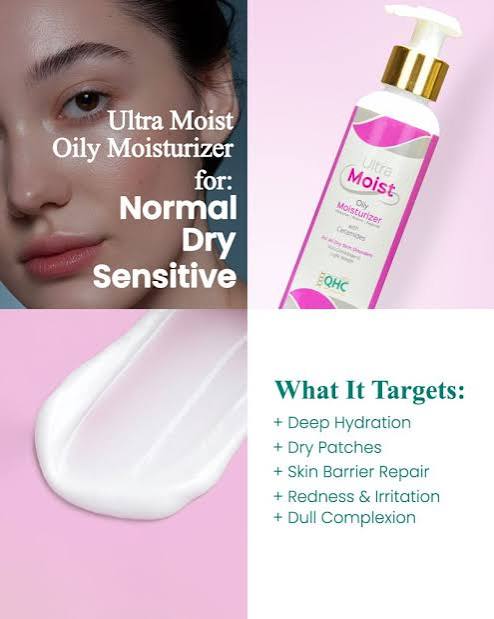
QHC, which stands for Quality Health Care, focuses on skincare products designed around everyday skin needs. When choosing a moisturizer, the same basic principle applies: consider your skin type, preferred texture, and hydration requirements rather than selecting a product based only on popularity.
A simple routine can include a gentle cleanser, moisturizer, and sunscreen during the day. At night, cleansing followed by moisturizer can help keep the routine straightforward.
How to Maintain a Healthy-Looking Glow
Moisturizer is only one part of maintaining fresh-looking skin. A few simple habits can make your routine more consistent.
- Cleanse without over-washing.
- Moisturize regularly.
- Use sunscreen during the day.
- Avoid harsh scrubbing.
- Drink enough water according to your daily needs.
- Get adequate sleep.
- Introduce active ingredients gradually.
- Avoid using too many products at once.
A simple routine that you can follow consistently is often easier to maintain than a complicated skincare routine with many unnecessary steps.
Build a Simple Routine for Healthy-Looking Skin
Choosing the right moisturizer starts with understanding your skin’s needs. Consider your skin type, preferred texture, and how your skin feels throughout the day before adding a product to your routine.
With regular moisturizing, gentle cleansing, and daily sun protection, your skin can stay soft, hydrated, and comfortable. Keep your routine simple and consistent, and give each product enough time to show how well it works for your skin.
FAQs
Can moisturizer help with dull-looking skin?
Yes. Proper hydration can make the skin appear smoother and fresher, which may improve the appearance of dullness.
Should oily skin use moisturizer?
Yes. Oily skin still needs hydration. A lightweight gel or lotion may be more comfortable than a rich cream.
Which ingredients are good for dry skin?
Ceramides, glycerin, hyaluronic acid, and other moisturizing ingredients can help support dry skin.
Can I use moisturizer every day?
Yes. Most people can use a suitable moisturizer daily, usually once or twice depending on their skincare routine.
Should I apply moisturizer before sunscreen?
Yes. During the morning, moisturizer can generally be applied before sunscreen.
Is a thick cream better for glowing skin?
Not necessarily. The ideal texture depends on your skin type. A lightweight formula can be just as useful when it provides enough hydration for your skin.