
Moisturizer is often considered one of the simplest steps in a skincare routine. You cleanse your face, apply your moisturizer, and move on with your day. But what happens when your skin starts feeling greasy, irritated, tight, or unusually dry after moisturizing?
Sometimes, the problem is not that your skin does not need moisturizer. It may be that the moisturizer does not suit your skin type or your skin’s current needs.
This is particularly important for people with oily and acne-prone skin. Many people avoid moisturizer because they believe it will make their face even oilier. However, skipping moisturizer completely may not be the best approach either.
If you are searching for the Best Moisturizer for Oily Skin In Pakistan, understanding your skin barrier can help you make a more informed choice.
What Is the Skin Barrier?
The skin barrier is the outermost protective layer of your skin. It helps keep moisture inside the skin while providing protection against external irritants and environmental stressors.
When the skin barrier is healthy, your skin generally feels comfortable and balanced. It may look smoother and feel less sensitive.
However, when the barrier becomes compromised, you may notice several changes.
Your skin may feel:
- Dry or tight
- Rough or flaky
- More sensitive than usual
- Red or irritated
- Uncomfortable after cleansing
- More reactive to skincare products
A damaged or weakened barrier can also make it harder for your skin to maintain adequate moisture.
Can the Wrong Moisturizer Damage Your Skin Barrier?
A moisturizer is generally designed to support skin hydration and reduce moisture loss. However, a product that does not suit your skin can cause problems such as irritation, breakouts, excessive greasiness, or discomfort.
This does not necessarily mean the moisturizer has permanently damaged your skin barrier.
For example, if a product contains an ingredient that irritates your skin, repeatedly using it may leave your skin feeling uncomfortable or inflamed. Similarly, using a formula that is too heavy for oily skin may make the skin feel greasy and may contribute to clogged pores for some people.
The key is to understand that not every moisturizer works equally well for every skin type.
How Do You Know If Your Moisturizer Is Not Right for You?
Your skin can give you several clues.
1. Your Skin Feels Tight After Application
A moisturizer should make your skin feel comfortable rather than unusually tight.
If your face continues to feel tight shortly after moisturizing, your routine may not be providing the type of hydration your skin needs.
However, persistent tightness can have several causes, including harsh cleansing products, over-exfoliation, dry weather, or excessive washing. Therefore, do not immediately blame the moisturizer alone.
2. Your Face Becomes Extremely Greasy
People with oily skin often worry about this problem.
If your face becomes excessively shiny or greasy shortly after applying moisturizer, the formula may feel too rich for your skin.
That does not mean oily skin should stop using moisturizer. Instead, consider a lightweight formula that provides hydration without leaving an unnecessarily heavy finish.
This is one reason people looking for the Best Moisturizer for Oily Skin In Pakistan often prefer lightweight textures.
3. You Start Getting More Breakouts
A new skincare product can sometimes coincide with breakouts.
If you notice repeated breakouts after introducing a moisturizer, consider whether the product is compatible with your skin and review the rest of your routine as well.
Not every breakout is caused by moisturizer. Hormonal changes, stress, sweat, makeup, hair products, and other skincare products can also contribute to acne.
If breakouts continue or become severe, a dermatologist can help identify the underlying cause.
4. Your Skin Becomes Red or Irritated
Redness, burning, itching, or persistent irritation after using a product can be a sign that your skin does not tolerate one or more ingredients.
If a moisturizer consistently causes irritation, stop using it and allow your skin to settle. For significant or persistent reactions, professional medical advice is appropriate.
Why Does Oily Skin Need Moisturizer?
This is one of the biggest skincare misconceptions.
Many people believe oily skin already contains enough moisture and therefore does not need a moisturizer.
But oil and water are not the same thing.
Your skin can produce excess sebum while still lacking adequate hydration. When people with oily skin completely avoid moisturizer, they may end up with a routine that does not support their skin’s hydration needs.
Instead of skipping moisturizer, focus on finding a suitable lightweight formula.
A well-balanced routine can include cleansing, appropriate hydration, moisturizer, and daytime sun protection.
What Should You Look for in a Moisturizer for Oily Skin?
Choosing a moisturizer becomes easier when you understand what your skin actually needs.
Lightweight Texture
A lightweight moisturizer can feel more comfortable on oily skin than a very rich cream.
Gel and lightweight lotion textures are often preferred by people who dislike a heavy or greasy feeling.
Hydrating Ingredients
Oily skin still benefits from hydration.
Ingredients such as humectants can help attract and hold water in the outer layers of the skin. Common examples include glycerin and hyaluronic acid.
The overall formulation matters more than focusing on one ingredient.
Skin-Friendly Formulation
If your skin is acne-prone or sensitive, consider products formulated with your skin concerns in mind.
Rather than choosing a moisturizer simply because it is trending, check its ingredients, texture, intended skin type, and how your skin responds to it.
Can Moisturizer Make Oily Skin Even Oilier?
It can certainly feel that way, particularly when the formula is too rich for your skin.
However, applying moisturizer does not automatically mean your skin will produce more oil.
Your skin’s sebum production is influenced by several factors, including hormones, genetics, climate, and other biological processes.
The better approach is to choose a moisturizer that feels comfortable and provides adequate hydration without leaving your skin excessively greasy.
This is especially relevant in Pakistan, where hot and humid weather can make heavy skincare products feel uncomfortable.
How Pakistan’s Climate Can Affect Your Moisturizer Choice
Your environment can influence how skincare products feel on your skin.
During hot and humid weather, a rich moisturizer may feel heavier than it does in cooler conditions. Sweat and increased oil production can also make your skincare routine feel uncomfortable.
On the other hand, dry weather, air conditioning, and frequent cleansing can leave some people’s skin feeling dehydrated.
Therefore, choosing a moisturizer should involve more than simply asking whether your skin is oily or dry.
Consider your:
- Skin type
- Current skin condition
- Climate
- Daily routine
- Other skincare products
- Personal comfort with the product’s texture
This approach can help you build a routine that you can maintain consistently.
Common Moisturizer Mistakes That Can Affect Your Skin
Sometimes the product is not the only issue. The way you use it can also matter.
Using Too Much Product
More moisturizer does not automatically mean more hydration.
Applying an excessive amount can make oily skin feel unnecessarily greasy.
Start with an appropriate amount and adjust according to your skin’s needs and the product’s instructions.
Applying Moisturizer to Very Dirty Skin
Moisturizer works as part of a skincare routine rather than as a replacement for cleansing.
Use a gentle cleanser when needed, especially after removing makeup, sunscreen, or accumulated sweat and dirt.
However, avoid excessively washing your face because frequent or harsh cleansing can leave the skin feeling dry and irritated.
Changing Products Too Frequently
Switching between multiple moisturizers every few days makes it difficult to understand what is actually working.
Whenever possible, introduce one new product at a time and pay attention to how your skin responds.
Using Too Many Active Ingredients
Retinoids, exfoliating acids, acne treatments, and other active ingredients can be useful for specific concerns, but using too many irritating products at once can make the skin uncomfortable.
A moisturizer can support the routine, but it cannot necessarily compensate for an overly aggressive skincare regimen.
How to Protect Your Skin Barrier While Using Skincare Actives
If you use active skincare ingredients, maintaining a simple supportive routine can be helpful.
Start with a gentle cleanser. Follow with your treatment product when appropriate, then use a moisturizer that suits your skin.
During the daytime, finish with suitable sun protection.
If your skin becomes persistently irritated, consider reducing potentially irritating products and consult a dermatologist when necessary.
The goal is not to use the maximum number of products. It is to use products that serve a clear purpose.
How to Choose the Best Moisturizer for Oily Skin In Pakistan
There is no single moisturizer that is perfect for everyone with oily skin.
When searching for the Best Moisturizer for Oily Skin In Pakistan, consider these factors:
1. Your skin type:
Confirm that the product is suitable for oily or combination skin.
2. Texture:
Choose a texture that feels comfortable and does not leave your face unnecessarily heavy.
3. Hydration:
Oily skin still needs adequate hydration.
4. Ingredients:
Review the formulation and consider whether your skin has known sensitivities.
5. Climate:
A lightweight formula may feel more comfortable during Pakistan’s warmer months.
6. Your other products:
Think about how the moisturizer fits with your cleanser, serums, acne treatments, and sunscreen.
7. Consistency:
The best moisturizer is ultimately one that suits your skin and that you can use consistently.
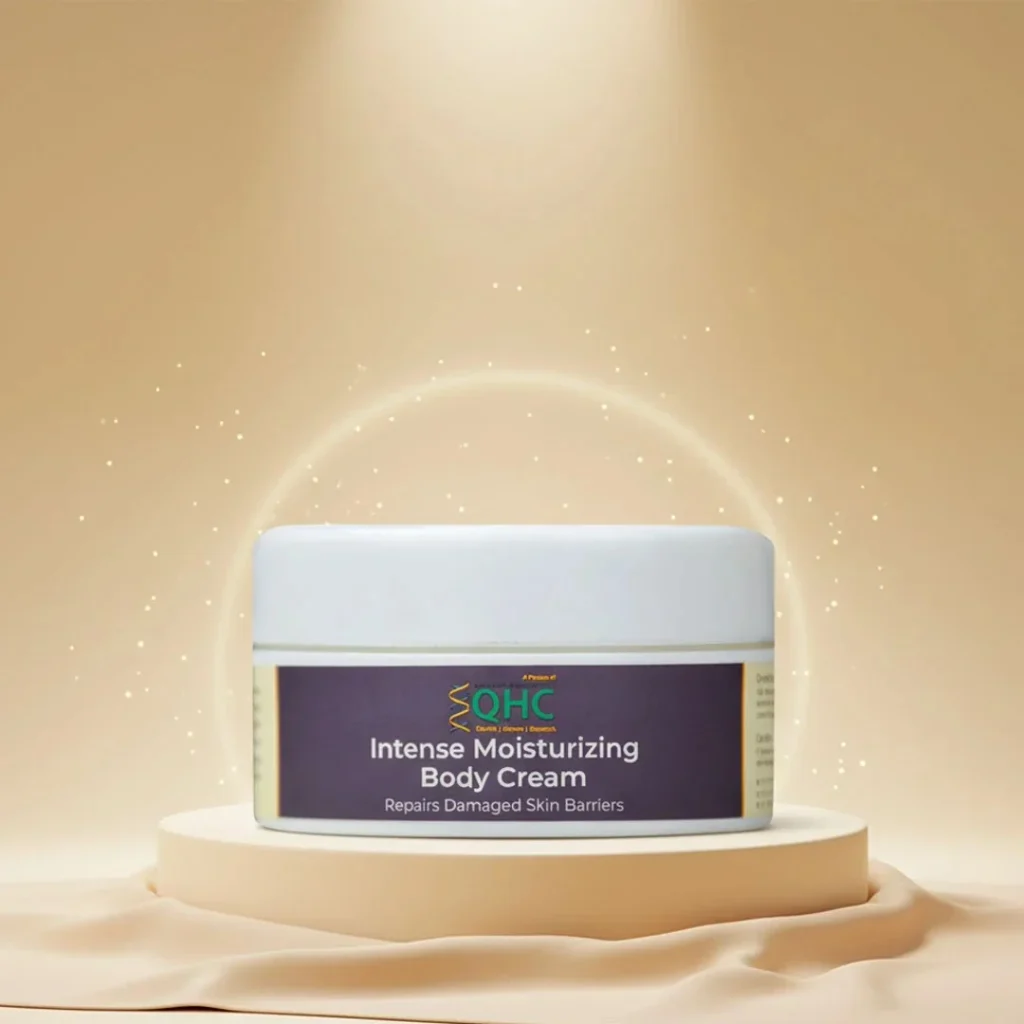
What About QHC Moisturizer?
QHC offers skincare products designed for different everyday skincare needs. If you are considering a QHC moisturizer, check the product’s current label and official product information for its ingredients, intended skin type, size, usage instructions, and latest price.
Because skincare needs differ from person to person, do not choose a product solely because it is marketed as suitable for a particular skin type.
Pay attention to how your own skin responds.
If you have very sensitive skin, persistent acne, or a recurring skin condition, consider speaking with a qualified dermatologist before making major changes to your routine.
How to Use Moisturizer Correctly
Using a moisturizer is simple, but a few habits can make the routine more comfortable.
1: Cleanse gently
Use a suitable cleanser without aggressively scrubbing your face.
2: Apply your skincare products
If you use a serum or treatment, apply it according to the product instructions.
3: Apply moisturizer
Use an appropriate amount and spread it evenly across your face.
4: Follow with sun protection during the day
Moisturizer does not replace sunscreen or sunblock. During daytime, use appropriate sun protection as the final step of your skincare routine.
Frequently Asked Questions
Can moisturizer damage the skin barrier?
A moisturizer is generally intended to support skin hydration and the skin barrier. However, a product that irritates your skin or does not suit your skin needs may cause discomfort, redness, breakouts, or dryness. If a product repeatedly causes irritation, stop using it and consider professional advice.
Should oily skin use moisturizer every day?
Yes, oily skin can still need daily hydration. The important factor is choosing a moisturizer with a texture and formulation that feels comfortable for oily skin.
Can moisturizer cause acne?
Some moisturizers may not suit acne-prone skin and can contribute to clogged pores or breakouts in certain individuals. However, acne has many possible causes, so a breakout should not automatically be blamed on moisturizer.
What type of moisturizer is best for oily skin?
Many people with oily skin prefer lightweight lotions or gel-based formulas that provide hydration without a heavy or greasy feel. Individual skin needs still vary.
Can I use moisturizer in summer?
Yes. Oily skin still needs hydration during summer. You may simply prefer a lighter formulation that feels more comfortable in hot or humid weather.
Final Words
A moisturizer should support your skincare routine, not make your skin feel constantly greasy, irritated, or uncomfortable.
If your skin reacts badly to a particular product, that does not necessarily mean moisturizer is bad for your skin. It may simply mean that the formula is not suitable for your skin type, environment, or current routine.
For people searching for the Best Moisturizer for Oily Skin In Pakistan, focus on skin compatibility rather than popularity alone. Look at the texture, formulation, ingredients, climate, and your other skincare products.
QHC can be one option to consider when building your skincare routine. However, always check the latest product information and choose according to your individual skin needs.
Most importantly, keep your routine simple and consistent. A suitable moisturizer, gentle cleansing, and appropriate daytime sun protection can provide a stronger foundation than constantly changing products in search of instant results.