
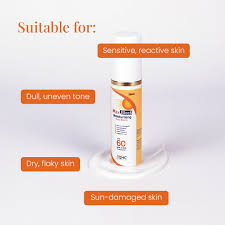
Finding the best sunblock in Pakistan can be difficult when so many options are available. The right product is not necessarily the one with the highest price or the most popular name. Your skin type, daily sun exposure, preferred texture, and skincare routine should all be considered before making a choice. QHC (Quality Health Care) offers different SPF 60 formulas, including gel, moisturizing, and tinted options, so you can choose according to your skin’s individual needs.
Why Is Sun Protection Important?
Sunlight is a normal part of everyday life, but regular UV exposure can affect the appearance of your skin over time. It may contribute to tanning, uneven-looking skin tone, dark spots, dullness, and visible signs of premature skin ageing.
People who commute, drive, work outdoors, attend university, shop, or spend time outside can experience regular exposure without realizing it.
For this reason, sunscreen is better treated as a daily skincare step rather than something reserved for summer holidays or outdoor trips.
A simple morning routine with cleanser, moisturizer when needed, and sunscreen can make daily skin protection easier to maintain.
What Should You Look for in a Sunblock?
Choosing sunscreen should involve more than checking the SPF number on the packaging. Several factors can influence whether a product works well for your routine.
SPF Level
SPF refers to protection against UVB radiation. A higher SPF provides a greater level of UVB protection when the product is used correctly.
However, applying enough product and reapplying when necessary are also important. A high SPF cannot compensate for poor application habits.
Broad-Spectrum Protection
Broad-spectrum sunscreen is designed to protect against both UVA and UVB radiation.
UVA exposure is associated with photoageing and pigmentation, while UVB is strongly associated with sunburn. Choosing broad-spectrum protection can therefore provide more comprehensive coverage.
Texture
Texture can have a major impact on your sunscreen experience.
Some people prefer lightweight gel formulas, while others like a moisturizing finish. If a sunscreen feels too greasy, sticky, or heavy, you may be less likely to use it consistently.
Skin Type
Your skin type should also influence your choice.
Oily skin may feel more comfortable with a lightweight formula, while dry skin may prefer additional moisture. Combination skin often needs balance, and sensitive skin may require extra attention to the overall feel and ingredients.
Sunblock for Oily and Acne-Prone Skin
Oily skin can become uncomfortable when combined with heat and humidity. A heavy sunscreen may make the face feel greasy, which is why many people with oily or acne-prone skin prefer lightweight textures.
QHC Max Block SPF 60 Sunscreen Gel
QHC Max Block SPF 60 Sunscreen Gel is a lightweight option within the QHC sun protection range. It is designed for oily and acne-prone skin and offers a gel texture for people who prefer a lighter feel.
A lightweight formula can be easier to incorporate into a morning routine, particularly if you already use several skincare products.
If your main concern is excess oil, consider how your skin feels after application and throughout the day when choosing a sunscreen.
Sunblock for Dry and Sensitive Skin
Dry skin can sometimes feel tight after cleansing or prolonged exposure to environmental conditions.
Heat, air conditioning, frequent washing, and unsuitable skincare products can all contribute to discomfort.
For this reason, people with dry skin may prefer a sunscreen that offers a more moisturizing feel.
QHC Max Block SPF 60 Moisturizing Sunblock
QHC Max Block SPF 60 Moisturizing Sunblock is designed for people looking for sun protection with a more hydrating feel.
It may suit individuals with dry or sensitive skin who prefer a comfortable formula as part of their morning routine.
If your skin needs additional hydration, you can also apply a suitable moisturizer before sunscreen.
Tinted Sunblock for an Even-Looking Finish
Some people prefer a tinted sunscreen rather than a completely clear formula.
Tinted products can give the complexion a more even-looking appearance while keeping sun protection within the same morning routine.
They can also be convenient for people who want a simpler routine on days when they do not want to apply additional complexion products.
QHC Max Block SPF 60 Tinted Sunblock
QHC offers Max Block SPF 60 Tinted Sunblock in Beige and Ivory options.
These choices are designed for people who prefer a tinted finish and want to combine daily sun protection with a more polished appearance.
When choosing a shade, consider your natural complexion and select the option that blends comfortably with your skin.
Choosing a Formula for Combination Skin
Combination skin can have different needs across the face.
The T-zone may become oily while the cheeks feel normal or dry. Because of this, choosing a sunscreen may require a little more consideration.
Think about how your skin behaves throughout the day.
If oiliness is your main concern, a lightweight gel may feel better. If your cheeks tend to feel dry, a moisturizing formula may provide additional comfort.
The QHC range provides different textures, allowing you to choose according to your individual skin needs.
Why SPF 60 Can Be a Practical Choice
QHC’s Max Block range includes SPF 60 formulations for different skin types.
A higher SPF can be useful for people who experience regular sun exposure, but it should not create a false sense of security.
The amount you apply matters. So does applying the product evenly and reapplying when necessary.
Sunblock should be one part of a broader sun-protection routine that can also include shade, protective clothing, and avoiding unnecessary prolonged exposure during intense sunlight.
How to Apply Sunblock Correctly
Using sunscreen correctly is just as important as choosing a suitable product.
Follow these basic steps:
- Cleanse your face.
- Apply your usual skincare products.
- Use moisturizer if your skin requires additional hydration.
- Apply sunscreen evenly to exposed areas.
- Remember your neck and ears.
- Reapply when necessary during prolonged outdoor exposure.
If you sweat heavily, swim, wipe your face frequently, or remain outdoors for several hours, follow the product’s instructions regarding reapplication.
When Should You Apply Sunscreen?
Sunscreen should generally be the final step of your morning skincare routine before makeup.
Apply it after your moisturizer and other skincare products have settled.
It is better to apply sunscreen before leaving home rather than waiting until you are already outdoors.
If you wear makeup, allow your sunscreen to settle before applying your makeup products.
Common Sunscreen Mistakes to Avoid
Applying Too Little
Using a very small amount may reduce the protection you actually receive.
Forgetting the Neck
Many people apply sunscreen only to their face. The neck and ears can also be exposed and should not be overlooked.
Using It Only on Very Sunny Days
UV exposure is not limited to extremely hot or bright days. Consistent daily protection can be a useful skincare habit.
Forgetting Reapplication
If you spend a long time outdoors, your initial application may not be enough for the entire period. Reapply according to the product instructions and your activities.
Choosing Only by SPF
SPF is important, but it is not the only consideration. Texture, skin type, application, comfort, and overall suitability also matter.
QHC SPF 60 Sunblock Range
QHC, which stands for Quality Health Care, provides several SPF 60 options for different skincare preferences.
Max Block SPF 60 Sunscreen Gel
A lightweight gel option designed for oily and acne-prone skin.
Max Block SPF 60 Moisturizing Sunblock
A moisturizing option designed for dry and sensitive skin.
Max Block SPF 60 Tinted Beige
A tinted option for people who prefer a beige finish.
Max Block SPF 60 Tinted Ivory
A lighter tinted option for people who prefer an ivory finish.
Having several formulas allows customers to select a product according to their skin type rather than expecting one sunscreen to suit everyone.
How to Select the Right QHC Sunblock
Start with your skin type and daily requirements.
For oily or acne-prone skin:
A lightweight gel texture may feel more comfortable.
For dry or sensitive skin:
A moisturizing formula may better suit your routine.
For a tinted finish:
Beige and Ivory options provide alternatives to a traditional untinted formula.
For combination skin:
Think about which areas of your face need oil control and which need additional moisture.
The goal is not to find a product that sounds perfect on paper. It is to find a formula that works comfortably with your routine and that you can use consistently.
How to Buy Authentic Skincare Products
Authenticity is important when purchasing skincare.
Avoid choosing products solely because an unfamiliar seller offers an unusually low price. Check the packaging, expiry information, product details, and seller credibility before purchasing.
Buying directly from the official brand or an authorized source can make it easier to verify the product you receive.
For QHC products, customers can explore the official sun protection collection and compare the available formulas before making a purchase.
Why Choose QHC for Daily Sun Protection?
QHC, or Quality Health Care, focuses on skincare products designed around everyday skincare needs.
Its sun protection range includes different SPF 60 formulas instead of relying on one texture for every skin type.
The collection includes lightweight, moisturizing, and tinted options, giving customers more flexibility when selecting a product.
This approach can be useful for people who want to choose sunscreen based on their actual skin requirements rather than simply following trends.
Finding the Right Formula for Your Skin
The right sunscreen should provide suitable protection while feeling comfortable enough for regular use.
Oily and acne-prone skin may prefer a lightweight gel. Dry or sensitive skin may feel better with a moisturizing formula. People who prefer a more even-looking complexion can consider a tinted option.
QHC’s SPF 60 range provides these different choices, allowing you to select a formula based on your skin type and preferred finish.
Consistency is also important. Apply sunscreen correctly every morning and reapply when necessary during extended outdoor exposure.
By understanding your skin type and paying attention to SPF, texture, application, and comfort, choosing a suitable sunscreen becomes much easier.
Frequently Asked Questions
What should I consider when choosing sunscreen?
Consider your skin type, SPF level, broad-spectrum protection, texture, finish, and how comfortable the product feels during daily use.
Is SPF 60 suitable for everyday use?
Yes, SPF 60 can be used as part of a daily sun-protection routine when applied correctly and according to the product’s directions.
Which type of sunscreen is suitable for oily skin?
A lightweight gel formula may feel more comfortable for oily or acne-prone skin because it can provide protection without feeling excessively heavy.
What type of sunscreen is suitable for dry skin?
People with dry skin may prefer a moisturizing formula that provides a comfortable finish and does not leave the skin feeling tight.
Can tinted sunscreen be used without makeup?
Yes. Tinted sunscreen can be worn on its own if you like the finish and want to keep your morning routine simple.
How often should sunscreen be reapplied?
Reapplication depends on your activities and level of exposure. Follow the product’s directions and consider reapplying after sweating, swimming, wiping your face, or spending extended periods outdoors.