
You apply sunblock before leaving home, yet your skin still looks tanned, feels irritated, or develops dark spots. If this sounds familiar, the problem may not be the sunblock itself. In many cases, the way you apply, store, or reapply it can affect how well it protects your skin.
Sun protection is especially important in Pakistan, where many people experience strong sunlight, hot weather, and regular outdoor exposure. However, choosing a suitable product is only one part of effective sun protection.
If you are searching for the Sunblock for Dry Skin , it is important to look beyond the label and understand how sunblock should actually be used.
This guide explains the common mistakes that can reduce sun protection and shows you how to build better daily sun-protection habits.
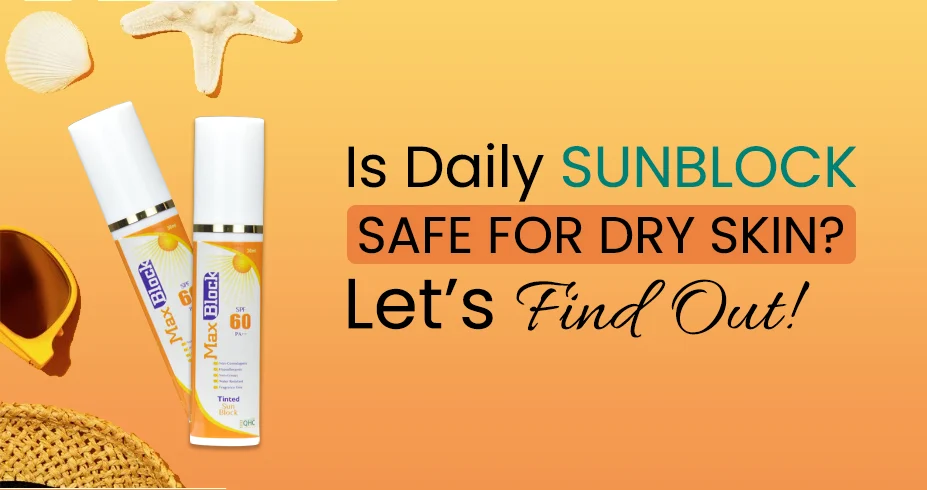
Why Does Sunblock Sometimes Feel Like It Is Not Working?
Sunblock cannot completely prevent every effect of sun exposure. Your protection depends on several factors, including the product’s SPF, how much you apply, how evenly you spread it, when you apply it, and whether you reapply it when needed.
A good sunblock can provide protection, but incorrect use can reduce the level of protection you actually receive.
For example, applying a very thin layer may leave parts of the skin insufficiently covered. Similarly, sweating, swimming, rubbing your face, or spending several hours outdoors can affect the product on your skin.
That is why finding the right product and using it correctly should go together.
1. Applying Too Little Sunblock
One of the most common mistakes is using too little product.
Many people apply a small amount because they do not like the feeling of a thicker layer on their face. However, the protection stated on a sunscreen label is based on a specific amount being applied during testing.
If you use much less than that amount, you should not expect the same level of protection.
For the face and neck, use a generous and even layer rather than spreading a very small amount over a large area. Make sure commonly missed areas, such as the ears, sides of the face, hairline, and neck, receive coverage when they are exposed.
The goal is not to make the skin feel overloaded. It is to apply enough product to create consistent coverage.
2. Applying Sunblock Only When You Go Outside
Another common mistake is treating sunblock as something you only need on days when you spend hours outdoors.
Your exposure depends on your daily routine. You may walk to your car, sit near windows, travel to university or work, shop during the day, or spend time outside without considering it significant sun exposure.
This does not mean that everyone needs exactly the same sun-protection routine. Instead, consider how much daylight exposure your skin receives throughout the day.
If you regularly spend time outdoors, make sun protection part of your morning skincare routine.
3. Not Giving Your Sunblock Enough Time Before Going Outside
Applying sunblock immediately before stepping outside can make it harder to achieve even coverage, particularly if you are rushing.
A better approach is to apply it as the final step of your morning skincare routine before outdoor exposure. Give the product time to settle according to its formulation and your skincare routine.
If you apply moisturizer, serum, or other products underneath it, allow each layer to settle rather than aggressively rubbing everything together.
This can also help reduce pilling and uneven application.
4. Forgetting to Reapply During the Day
Morning application does not always mean you are protected for the entire day.
If you spend extended periods outdoors, sweat heavily, swim, or wipe your face frequently, you may need to reapply your sunblock.
People often remember the first application but forget about protection later in the day. This can be particularly important for people who work outdoors, travel frequently, play sports, or spend several hours in direct sunlight.
Keep your sunblock somewhere convenient so that reapplication becomes easier.
5. Choosing a Product That Does Not Suit Your Skin Type
Sometimes the problem is not sun protection itself but product compatibility.
Someone with oily or acne-prone skin may dislike a very heavy formula. On the other hand, someone with dry or sensitive skin may find a lightweight formula uncomfortable if it does not provide enough hydration.
Your skin type should therefore be part of your decision.
If your skin becomes excessively greasy after application, look for a lightweight or oil-control formula. If your skin feels tight or dry, consider a product with moisturizing ingredients.
People with sensitive skin should also pay attention to ingredients and avoid products that repeatedly cause irritation.
6. Ignoring the Weather in Pakistan
Pakistan’s weather can vary significantly between regions and seasons. Hot summer conditions, humidity, dry weather, and long periods of outdoor exposure can all affect how comfortable a sunblock feels.
A formula that feels comfortable during cooler weather may feel heavier during a hot summer day.
This is why choosing a sunblock based on your skin type and lifestyle is more useful than simply choosing a product because it is popular.
When comparing the sunblock , consider not only cost but also texture, SPF, skin compatibility, intended use, and whether you will actually use it consistently.
7. Assuming a Higher SPF Means You Never Need to Reapply
A higher SPF does not mean you can apply the product once and forget about sun protection for the rest of the day.
SPF is primarily a measure related to protection against UVB radiation under standardized testing conditions. Real-life protection also depends on application amount, evenness, and what happens to the product after application.
Sweating, swimming, rubbing, and wiping the skin can remove or disturb the protective layer.
Therefore, reapplication remains an important part of sun protection when exposure continues.
8. Applying Sunblock Unevenly
Even when you use enough product overall, uneven application can leave areas with less coverage.
This often happens around the nose, hairline, jawline, ears, and neck.
Instead of quickly rubbing everything in one motion, spread the product evenly across exposed areas. Pay attention to areas that are easy to overlook.
If your product tends to pill, avoid excessive rubbing and review the products you are layering underneath it.
9. Forgetting Your Neck and Other Exposed Areas
Many people apply sunblock carefully to their face but completely ignore their neck.
If your neck is exposed to daylight, it should be considered part of your sun-protection routine. The same applies to ears, hands, and other exposed areas.
This becomes especially important when there is a visible difference between protected and unprotected skin.
A complete routine should focus on all exposed areas rather than treating the face as the only area that matters.
10. Using an Old or Poorly Stored Product
Skincare products can be affected by heat, sunlight, and improper storage.
Do not leave your sunblock sitting in extreme heat for long periods, such as inside a hot car. Keep it stored according to the manufacturer’s instructions.
You should also check the product’s expiry information and appearance. If the texture, smell, or consistency has changed noticeably, review the manufacturer’s guidance before continuing to use it.
Buying a fresh product from a reliable source can also help you avoid questionable or improperly stored skincare products.
What Should You Look for When Buying Sunblock in Pakistan?
Choosing a sunblock becomes easier when you know what matters.
Check the SPF
For everyday use, many people look for broad-spectrum protection with an appropriate SPF. Your choice can depend on your daily exposure, skin needs, and professional advice when necessary.
Look for Broad-Spectrum Protection
Broad-spectrum products are designed to protect against both UVA and UVB radiation.
UVA exposure is associated with skin aging and pigmentation, while UVB is a major cause of sunburn. Both are relevant when thinking about everyday sun protection.
Consider Your Skin Type
If you have oily skin, a lightweight or non-greasy formula may feel more comfortable.
For dry skin, a moisturizing formulation may work better.
For sensitive or acne-prone skin, check the ingredient list and pay attention to how your skin reacts.
Consider the Texture
The best sunblock is not necessarily the one with the most expensive price tag. It should also be something you can comfortably apply in the recommended amount and use consistently.
If a product feels extremely heavy, greasy, or irritating, you may avoid using it regularly.
Comfort matters because consistency is an important part of any skincare routine.
What Is the Best Sunblock in Pakistan with Price?
There is no single sunblock that is perfect for every person. Your ideal choice depends on factors such as skin type, daily exposure, product texture, formulation, and budget.
If you are comparing the Best Sunblock in Pakistan with Price, look at the complete value rather than choosing based only on the lowest or highest price.
QHC offers sun-protection options for Pakistani skincare users who want to include sunblock in their everyday routine. Before buying any product, check the current product page for its latest formulation, size, SPF information, usage instructions, and price.
Prices can change over time, so checking the brand’s official product information is more reliable than depending on an old price mentioned in an article.
How to Apply Sunblock Correctly
A simple routine can help you get more consistent protection.
1: Clean your skin
Start with a clean face and follow your normal morning skincare routine.
2: Apply your other skincare products
If you use a serum or moisturizer, apply those products first and allow them to settle.
3: Apply sunblock generously
Cover the exposed areas of your face and neck evenly. Do not forget areas such as the ears and hairline when they are exposed.
4: Allow it to settle
Avoid immediately rubbing or wiping your face after application.
5: Reapply when needed
If you remain outdoors for extended periods or sweat, swim, or wipe your face, reapply according to the product’s instructions and your exposure.
Can Sunblock Prevent Tanning and Dark Spots?
Sunblock can help reduce UV exposure, which is important because UV radiation can contribute to tanning and pigmentation.
However, no sunblock should be presented as a guarantee that your skin will never tan or develop pigmentation.
Sun protection works best as part of a broader routine. Along with appropriate sunblock use, consider physical protection such as shade, clothing, hats, and sunglasses when practical.
If you have persistent or worsening pigmentation, consult a qualified dermatologist rather than relying only on cosmetic products.
Quick Checklist: Is Your Sunblock Routine Working Properly?
Before blaming your sunblock, ask yourself these questions:
- Am I applying enough product?
- Am I covering all exposed areas?
- Do I apply it consistently?
- Do I reapply during prolonged outdoor exposure?
- Does the product suit my skin type?
- Am I checking the expiry information?
- Do I store the product properly?
- Do I use additional protection such as shade or protective clothing?
- Am I choosing a product from a reliable source?
If you answered “no” to several of these questions, changing your routine may be more useful than immediately changing your entire skincare collection.
Final Words
When your sunblock seems ineffective, the product may not always be the problem. Application amount, uneven coverage, missed areas, lack of reapplication, skin compatibility, and prolonged exposure can all affect your overall protection.
For Pakistani skincare users, choosing the right product should be based on more than the words “best” or a particular price. Consider SPF, broad-spectrum protection, skin type, texture, formulation, lifestyle, and how consistently you can use the product.
If you are looking for the Sunblock , compare products carefully and check current information from the brand before making a purchase. QHC can be considered as one option, but your skin type and daily routine should ultimately guide your choice.
Most importantly, remember that sun protection is a daily habit rather than a one-time skincare step. When you apply your sunblock correctly, reapply when appropriate, and combine it with practical sun-protection measures, you can build a more reliable routine for protecting your skin.