
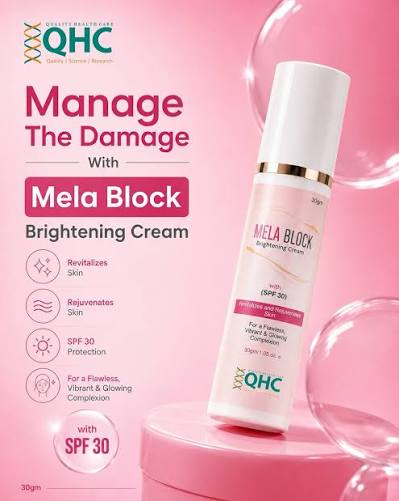
Choosing the right whitening cream is not simply about looking for the strongest formula. Skin brightening should focus on improving the appearance of uneven tone, dullness, and dark-looking areas while keeping the skin comfortable and well hydrated. A suitable product should match your skin type and fit easily into your regular skincare routine.
What Does Skin Brightening Really Mean?
Skin brightening is mainly about improving the appearance of dull and uneven-looking skin. Factors such as sun exposure, dryness, acne marks, and environmental stress can make the complexion look less even over time.
A good skincare routine focuses on supporting healthy-looking skin rather than trying to change your natural skin tone.
The goal should be a smoother, more balanced, and refreshed appearance.
Ingredients That Can Support Brighter-Looking Skin
When choosing a brightening product, pay attention to its ingredients rather than relying only on marketing claims.
Vitamin C
Vitamin C is a popular skincare ingredient used to support a brighter and more even-looking complexion. It also provides antioxidant support and can be included in a morning skincare routine.
Niacinamide
Niacinamide is commonly used in products designed for uneven-looking skin. It can also support the skin barrier and help improve the overall appearance of the complexion.
Alpha Arbutin
Alpha arbutin is another ingredient frequently found in brightening skincare. It is often included in routines focused on the appearance of dark spots and uneven tone.
Licorice Extract
Licorice extract is used in many skincare formulations designed to improve the appearance of dull or uneven skin. It can be a useful ingredient in a balanced brightening routine.
Hyaluronic Acid
Hyaluronic acid does not directly brighten the skin, but hydration can make the complexion look smoother and fresher. Well-hydrated skin often has a healthier appearance.
How to Choose a Product for Your Skin Type
Your skin type should always be considered before choosing a brightening product.
For Oily Skin
If your skin becomes oily quickly, look for lightweight creams or gel-based textures. Heavy formulas may feel uncomfortable, particularly during hot weather.
A lightweight product can provide hydration without leaving an overly greasy finish.
For Dry Skin
Dry skin needs both hydration and barrier support. Look for moisturizing ingredients such as glycerin, hyaluronic acid, and ceramides alongside brightening ingredients.
Avoid products that leave your skin feeling tight or uncomfortable after application.
For Combination Skin
Combination skin may have an oily T-zone with drier cheeks. A lightweight cream can help provide balanced hydration.
You can also adjust the amount of product you use according to different areas of your face.
For Sensitive Skin
Sensitive skin may react to strong or heavily fragranced products. A simple formula with gentle ingredients may be easier to incorporate into your routine.
Patch testing a new product before applying it to your entire face can also be a useful precaution.
Why Sunscreen Matters for a Brightening Routine
Sunscreen is one of the most important parts of any routine focused on maintaining an even-looking complexion.
Daily sun exposure can contribute to visible dark spots, uneven tone, and premature signs of skin aging. Without adequate sun protection, other skincare products may not provide the results you expect.
Apply broad-spectrum sunscreen every morning and reapply when necessary based on your exposure.
How to Use a Brightening Product Correctly
Using a product consistently is more important than applying a large amount.
A simple routine can look like this:
- Cleanse your face gently.
- Apply a suitable serum if it is part of your routine.
- Apply a small amount of cream evenly over the face.
- Allow the product to absorb comfortably.
- Apply sunscreen during the daytime.
At night, you can follow cleansing with your selected treatment and moisturizer according to your skin’s needs.
Common Mistakes to Avoid
Using Too Many Brightening Products
Using several active ingredients at the same time does not necessarily produce better results. It can instead make your routine difficult to manage and may increase the chance of irritation.
Keep your routine simple and introduce new products gradually.
Skipping Sunscreen
Using brightening skincare without daily sun protection can work against your skincare goals. Sunscreen should remain an important part of your morning routine.
Expecting Overnight Results
Changes in the appearance of uneven tone usually take time. Skincare works best when used consistently rather than occasionally.
Choosing Products Only by Their Claims
Words such as “instant whitening” or “overnight fairness” should not be the main reason for choosing a skincare product.
Look at the ingredient list, formulation, suitability for your skin type, and how the product fits into your routine.
Is Whitening the Same as Brightening?
The terms are often used interchangeably in skincare marketing, but they can mean different things.
Brightening generally refers to improving the appearance of dullness and uneven tone. Whitening can sometimes be used to suggest changing the natural skin tone, which is not a necessary goal for healthy skin.
A more practical approach is to focus on maintaining an even, smooth, hydrated, and healthy-looking complexion.
Can You Use a Brightening Product Every Day?
It depends on the ingredients and formulation.
A gentle moisturizing brightening cream may be suitable for regular use, while products containing stronger active ingredients may require a more careful schedule.
Always follow the product’s directions and pay attention to how your skin responds.
If redness, burning, persistent dryness, or irritation develops, stop using the product and consider speaking with a dermatologist.
How QHC Supports a Simple Skincare Routine
QHC, which stands for Quality Health Care, offers skincare products designed around everyday skin needs. When choosing a brightening product, the same basic approach applies: consider your skin type, ingredients, texture, and overall routine rather than relying only on a product claim.
A simple routine with gentle cleansing, suitable treatment, moisturizer, and daily sun protection can be easier to maintain over time.
How to Maintain an Even-Looking Complexion
Your skincare routine is only one part of maintaining healthy-looking skin.
Try to:
- Use sunscreen every morning.
- Avoid excessive sun exposure.
- Keep your skin moisturized.
- Cleanse gently.
- Avoid harsh scrubs.
- Introduce active ingredients slowly.
- Avoid picking at acne or blemishes.
- Stay consistent with your routine.
These simple habits can help support the overall appearance of your skin.
Choosing Products for Long-Term Skin Care
A good skincare routine should be comfortable enough to follow consistently. Instead of choosing the strongest product available, look for a formula that matches your skin type and contains ingredients appropriate for your concerns.
The second important factor is consistency. Give your routine enough time before deciding whether a product is suitable for you.
When used as part of a balanced routine, a whitening cream can be one option for people looking to improve the appearance of dullness and uneven tone. However, healthy-looking skin depends on more than one product. Hydration, gentle skincare, and regular sun protection all matter.
Simple Steps for Brighter-Looking Skin
Brighter-looking skin does not require an unnecessarily complicated routine. Start with gentle cleansing, choose products according to your skin type, moisturize regularly, and make sunscreen a daily habit.
Focus on gradual improvement rather than instant changes. A simple and consistent approach can help your skin look smoother, more hydrated, and more even over time.
Frequently Asked Questions
Can a Brightening Cream Remove Dark Spots?
Some skincare ingredients can help improve the appearance of dark spots and uneven tone over time, but results vary from person to person.
Can Oily Skin Use a Brightening Cream?
Yes. Oily skin can use a lightweight cream or gel-based formula that provides hydration without feeling heavy.
Should I Use Sunscreen With Brightening Skincare?
Yes. Daily sun protection is an important part of maintaining an even-looking complexion.
How Long Does Brightening Skincare Take to Work?
Results vary depending on the ingredients, skin concern, and individual skin. Consistent use is generally more important than expecting immediate changes.
Can Sensitive Skin Use Brightening Products?
Yes, but sensitive skin may benefit from gentle formulas and gradual introduction. Patch testing can also help reduce the risk of irritation.
Does a Cream Need to Change Your Natural Skin Tone?
No. A healthy skincare routine should focus on hydration, even-looking tone, and overall skin health rather than changing your natural complexion.