
Washing your face is one of the simplest steps in a skincare routine. It helps remove sweat, excess oil, dirt, sunscreen, makeup, and other impurities that build up throughout the day.
But can washing your face too much actually harm your skin?
Yes. While cleansing is important, washing your face too frequently or using a harsh cleanser can sometimes disturb the skin barrier. This may leave your skin feeling dry, tight, irritated, or even more oily.
Finding the right balance is especially important if you have pimples, dark spots, oily skin, or sensitive skin. Choosing a gentle cleanser that suits your skin type can make your routine easier to maintain.
If you are looking for the Best Face Wash for Pimples and Dark Spots, it is important to understand what your skin actually needs instead of simply washing it more often.
What Is the Skin Barrier?
The skin barrier is the outermost protective layer of your skin. It helps keep moisture inside while protecting your skin from external irritants and environmental factors.
A healthy skin barrier usually feels comfortable and balanced. When it becomes weakened, you may notice dryness, sensitivity, redness, roughness, or increased irritation.
Your cleansing routine can affect this barrier.
Washing your face gently can remove unwanted buildup without unnecessarily stripping the skin. However, excessive cleansing or using an overly harsh product may remove too much of the skin’s natural oils.
Can Washing Your Face Too Much Damage Your Skin Barrier?
Yes, over-washing can contribute to skin barrier disruption.
Every time you cleanse your face, you remove some oil and impurities from the skin. This is normal and necessary. However, repeatedly washing your face throughout the day can interfere with the skin’s natural balance.
This does not mean that face washing is bad. The problem is usually how often you wash, what cleanser you use, how you wash, and how your skin responds.
For most people, cleansing once or twice a day can be enough, depending on their skin type, lifestyle, sweating, and product use.
What Happens When You Wash Your Face Too Often?
Over-cleansing can cause several noticeable changes.
1. Your Skin May Feel Tight
If your face feels unusually tight immediately after cleansing, your cleanser may be too harsh or you may be washing too frequently.
Healthy skin should not consistently feel stripped or uncomfortable after washing.
2. Your Skin Can Become Dry
Frequent cleansing may remove some of the natural oils that help maintain the skin’s moisture balance.
As a result, your skin may feel dry, flaky, or rough.
3. Irritation May Increase
A weakened skin barrier can make your skin more sensitive to skincare products and environmental factors.
You may notice stinging, redness, or discomfort when applying products that previously felt fine.
4. Your Skin May Look More Oily
This can be confusing for people with oily skin.
When the skin feels stripped, some people may notice increased oiliness afterward. However, this does not mean that washing repeatedly is the solution.
Instead, a balanced cleansing routine can help remove excess oil without unnecessarily drying the skin.
Does Over-Washing Cause Pimples?
Over-washing does not automatically cause acne, but aggressive cleansing can make acne-prone skin more irritated.
People with pimples sometimes believe that scrubbing harder or washing their face several times a day will remove acne faster.
Unfortunately, this approach can backfire.
Excessive rubbing, harsh cleansers, and frequent washing may increase irritation and make the skin feel uncomfortable.
If you have acne-prone skin, focus on gentle cleansing rather than trying to completely remove every trace of oil from your face.
Can the Wrong Face Wash Make Pimples Worse?
The cleanser you use matters.
A product that is too harsh for your skin may cause dryness and irritation. On the other hand, a cleanser that does not suit your skin type may leave behind excess oil or feel uncomfortable.
This is why choosing a suitable face wash is important if you regularly deal with pimples.
When searching for the best face wash for pimples and dark spots, look for a product that supports your cleansing needs without making your skin feel excessively dry or irritated.
What About Dark Spots?
Dark spots can appear after pimples heal. This is often referred to as post-inflammatory hyperpigmentation.
If you repeatedly pick, squeeze, or irritate pimples, the chance of developing lingering marks may increase.
A face wash can help keep the skin clean, but it should not be expected to remove dark spots overnight.
A better approach is to combine gentle cleansing with other appropriate skincare steps and daily sun protection.
How Often Should You Wash Your Face?
There is no single number that works perfectly for everyone.
For many people, washing the face once in the morning and once at night is sufficient.
However, your routine may need adjustment if you exercise heavily, sweat frequently, work in a dusty environment, or use makeup and sunscreen regularly.
The key is to avoid unnecessary repeated cleansing simply because your skin feels oily.
If your face feels tight, dry, or irritated after washing, consider reducing the frequency or switching to a gentler cleanser.
How to Wash Your Face Without Damaging Your Skin Barrier
A few simple changes can make cleansing more comfortable.
Use a Gentle Cleanser
Choose a face wash that matches your skin type and cleansing needs.
If you have sensitive or dry skin, avoid products that leave your face feeling extremely tight after use.
For oily or acne-prone skin, look for a cleanser designed to remove excess oil without excessive dryness.
Use Lukewarm Water
Very hot water can make your skin feel dry and uncomfortable.
Lukewarm water is generally a better option for everyday facial cleansing.
Avoid Harsh Scrubbing
You do not need to scrub your face aggressively to remove dirt.
Use your fingertips and massage the cleanser gently over the skin.
Do Not Over-Cleanse
Washing your face several times throughout the day is usually unnecessary.
If you become sweaty after exercise, gently cleansing afterward may make sense. But repeated washing just to remove normal skin oil can be counterproductive.
Moisturize After Cleansing
Cleansing should be followed by suitable hydration.
A moisturizer can help support the skin’s moisture balance and make your routine more comfortable.
How to Choose the Best Face Wash for Pimples and Dark Spots
If your main concerns are pimples and dark spots, do not choose a face wash based only on how strongly it cleans.
Consider the following factors.
Know Your Skin Type
Your skin may be oily, dry, combination, normal, sensitive, or acne-prone.
Choosing a cleanser according to your skin type can help you avoid unnecessary dryness or irritation.
Look at the Ingredients
Check the ingredient list and understand what the product is designed to do.
Some cleansers contain ingredients commonly used in routines for oily and acne-prone skin, while others focus more on gentle cleansing and hydration.
Avoid Unrealistic Claims
Be cautious of products promising instant removal of acne, dark spots, or permanent changes in your skin.
Healthy skincare usually requires consistency and realistic expectations.
Consider Your Skin’s Response
Even a popular cleanser may not suit everyone.
If your skin consistently becomes dry, itchy, red, or uncomfortable after using a product, reconsider whether it is suitable for your routine.
Can Face Wash Remove Dark Spots?
A face wash can help keep the skin clean and support a healthy skincare routine, but it usually should not be considered a complete treatment for dark spots.
Because cleansers are generally rinsed off quickly, they have limited contact time with the skin compared with leave-on skincare products.
Dark spots often require a broader approach that may include ingredients designed for uneven skin tone and consistent sun protection.
If dark spots are persistent or worsening, a dermatologist can help determine their cause and suggest suitable treatment options.
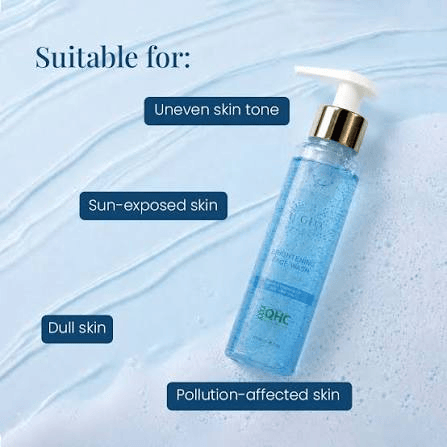
QHC and Your Daily Cleansing Routine
QHC can be included in a simple skincare routine focused on cleansing and maintaining comfortable-looking skin.
When choosing a QHC face wash, consider your skin type and the specific concerns you want to address. If pimples and dark spots are your main concerns, focus on building a complete routine rather than relying on face wash alone.
A balanced routine may include:
- Gentle cleansing
- Suitable moisturizer
- Daily sun protection
- Targeted skincare for specific concerns
- Avoiding unnecessary scrubbing or picking
The goal is not to make your skin feel completely stripped after washing. The goal is to remove unwanted buildup while keeping your skin comfortable.
Common Face-Washing Mistakes to Avoid
Many skincare problems are not caused by a lack of products but by using them incorrectly.
Washing Your Face Too Many Times
More cleansing does not necessarily mean cleaner or healthier skin.
Using Very Hot Water
Hot water may leave your skin feeling dry and uncomfortable.
Scrubbing Pimples
Scrubbing acne can increase irritation and may make the skin more uncomfortable.
Using Too Much Cleanser
A larger amount of face wash does not automatically provide better cleansing.
Skipping Moisturizer
Even oily and acne-prone skin can need hydration.
Ignoring Sunscreen
If you are dealing with dark spots, daily sun protection is an important part of your skincare routine.
Changing Products Too Quickly
Give your routine time and avoid switching between multiple cleansers every few days unless there is a clear reason.
Frequently Asked Questions
Is washing your face twice a day too much?
For many people, cleansing twice a day is reasonable. However, your ideal routine depends on your skin type, lifestyle, and the cleanser you use. If your skin becomes dry or irritated, you may need to adjust your routine.
Can over-washing cause oily skin?
Over-cleansing can make skin feel stripped and uncomfortable, and some people may notice increased oiliness afterward. Washing repeatedly is not necessarily the best solution for oily skin.
What is the best face wash for pimples and dark spots?
The right face wash depends on your skin type and individual concerns. Look for a cleanser that effectively removes dirt and excess oil without leaving your skin excessively dry or irritated.
Can face wash remove pimples?
A suitable cleanser can help remove excess oil, sweat, dirt, and other buildup from the skin. However, persistent acne may require a more complete skincare approach or professional advice.
Can face wash remove dark spots?
Face wash can support a clean and healthy-looking complexion, but dark spots usually require more than cleansing alone. Sun protection and targeted skincare may also be needed.
Should I use face wash if I have sensitive skin?
Yes, but choose a gentle cleanser formulated for your skin’s needs. Avoid aggressive scrubbing and pay attention to signs of irritation.
Final Words
Washing your face is an important part of skincare, but more cleansing is not always better.
Washing too frequently, scrubbing aggressively, using very hot water, or choosing a cleanser that does not suit your skin can contribute to dryness and irritation and may interfere with the skin barrier.
If you are looking for the best face wash for pimples and dark spots, focus on finding a product that suits your skin type and supports a balanced routine.
Remember that a face wash is only one part of skincare. Consistent cleansing, proper hydration, sun protection, and targeted care can work together to support healthier-looking skin.
If you experience persistent acne, severe irritation, or dark spots that do not improve, consider consulting a dermatologist for personalized guidance.